
Executive Summary
When specialized engineering specifications require niche, heavy-duty machinery, traditional supply chains fracture. Procurement teams are often left choosing between predatory, high-risk pricing from the few shops that possess the tooling, or receiving "No Bid" responses from the rest of the market. This case study explores how ProdSource Solutions deployed a "Co-Investment Alliance" model to manufacture a complex asset pipeline, eliminating vendor bottlenecks and securing fair market pricing.
The Challenge
An industrial client approached ProdSource with a high-stakes project requiring highly advanced, specialized tooling. Because the capital equipment necessary to execute these specific fabrications was exceptionally rare, regional manufacturing shops responded in one of two ways:
Predatory Pricing: The microscopic handful of facilities with the equipment quoted astronomical, risk-inflated prices.
Capitulation: The vast majority of standard shops simply slapped a "No Bid" stamp on the RFQ because they lacked the immediate mechanical footprint.
The project was on the verge of an indefinite standstill. The client could neither absorb the inflated invoices nor find a vendor willing to adapt.
The ProdSource Strategy
Traditional fabrication vendors view Capital Expenditure (CapEx) through a rigid, single-facility lens: "If we buy this machine for one project, will our single floor use it enough to justify the debt?" If the math is risky, they pass the buck to the client or walk away.
ProdSource took a collaborative, network-driven approach. Instead of treating the tooling deficit as an impassable wall, we gathered our core, heavily vetted manufacturing partners to analyze the long-term industrial landscape of the asset class.
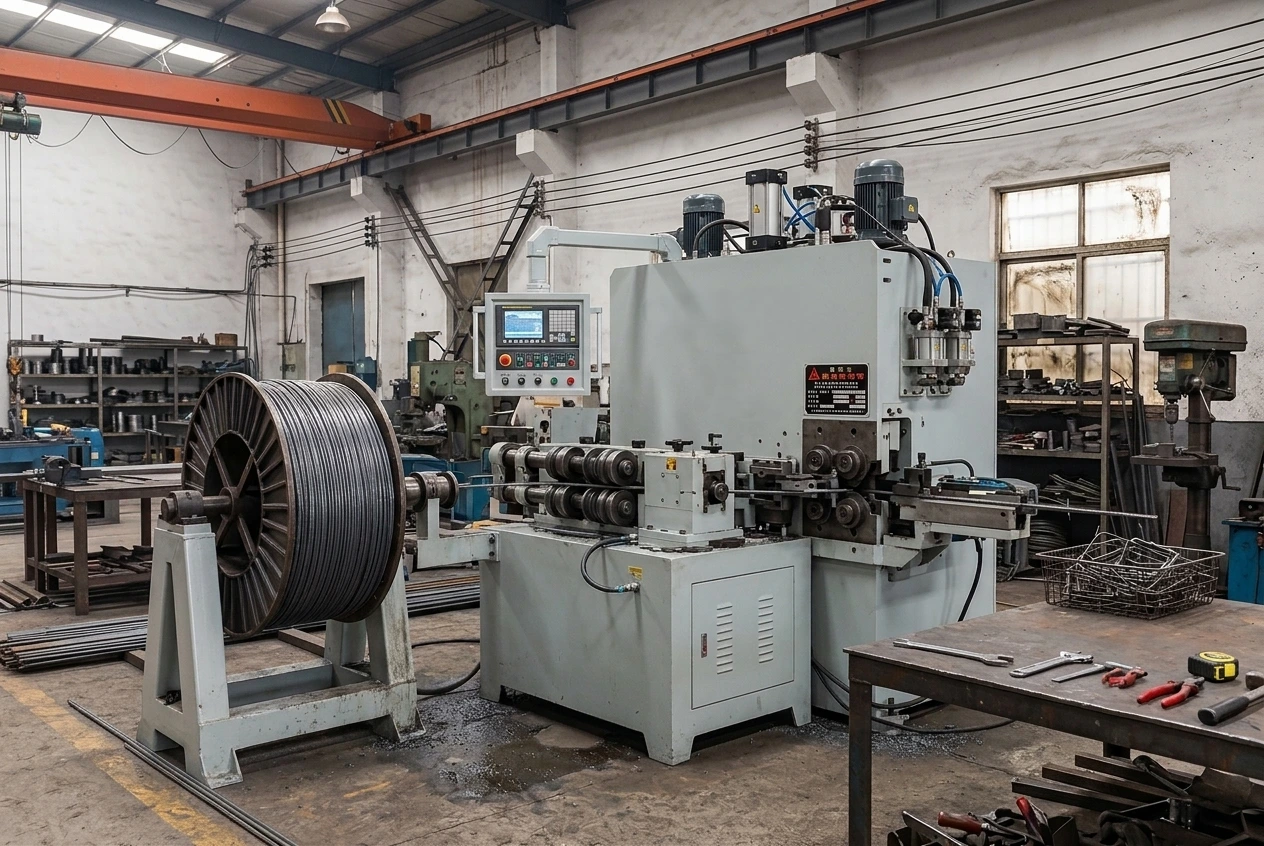
Recognizing a recurring market need, ProdSource and its partner facilities formed a Co-Investment Alliance. We pooled financial resources and shared the risk to collectively purchase and install the required capital equipment directly into our network footprint.
The Outcome By distributing the CapEx across an agile network rather than forcing a single shop to shoulder the burden, we achieved major breakthroughs:
Drastic Cost Reduction: Eliminated the predatory "scarcity premium," dropping production costs back down to fair, competitive market rates.
Secured Timeline: Bypassed the industry-wide tooling bottleneck entirely, allowing the client to issue the Purchase Order and safely kick off production.
Expanded Network Capability: Permanently integrated high-tier technical capabilities into our network for future project scaling.
Conclusion We didn't just bid on a project; we built the infrastructure to support it. When a supply chain lacks the tools to build your future, a transactional vendor walks away. A strategic partner puts skin in the game.